Explore informational resources about natural approaches, daily habits, and plant-based ingredients that support overall vitality and balance in everyday life.
Learn more

Natural wellbeing represents a holistic approach to everyday life that emphasizes the role of nutrition, physical activity, and mindful habits. This educational resource explores how various natural ingredients found in common foods have been studied for their nutritional properties.
The concept of natural wellbeing is rooted in understanding how different compounds present in plants, fruits, vegetables, and herbs interact with the human body. Research in nutritional science continues to uncover the complex relationships between diet and overall health.
This information is provided for educational purposes to help readers understand broader concepts in nutrition and lifestyle science. It does not constitute personal advice or recommendations for specific individuals.

Daily routines play a significant role in maintaining energy levels and overall wellbeing. Research suggests that consistent patterns in sleep, physical activity, and meal timing can influence various physiological processes.
Regular movement and exercise have been extensively studied in relation to cardiovascular health, metabolic function, and mental clarity. Different forms of activity, from walking to strength training, offer various benefits that researchers continue to investigate.
Sleep quality and duration are fundamental aspects of overall health. Scientific literature demonstrates connections between sleep patterns and numerous bodily functions, including hormone regulation and cognitive performance.
These insights are shared for informational purposes to illustrate general principles observed in health research. Individual experiences vary significantly based on numerous factors.
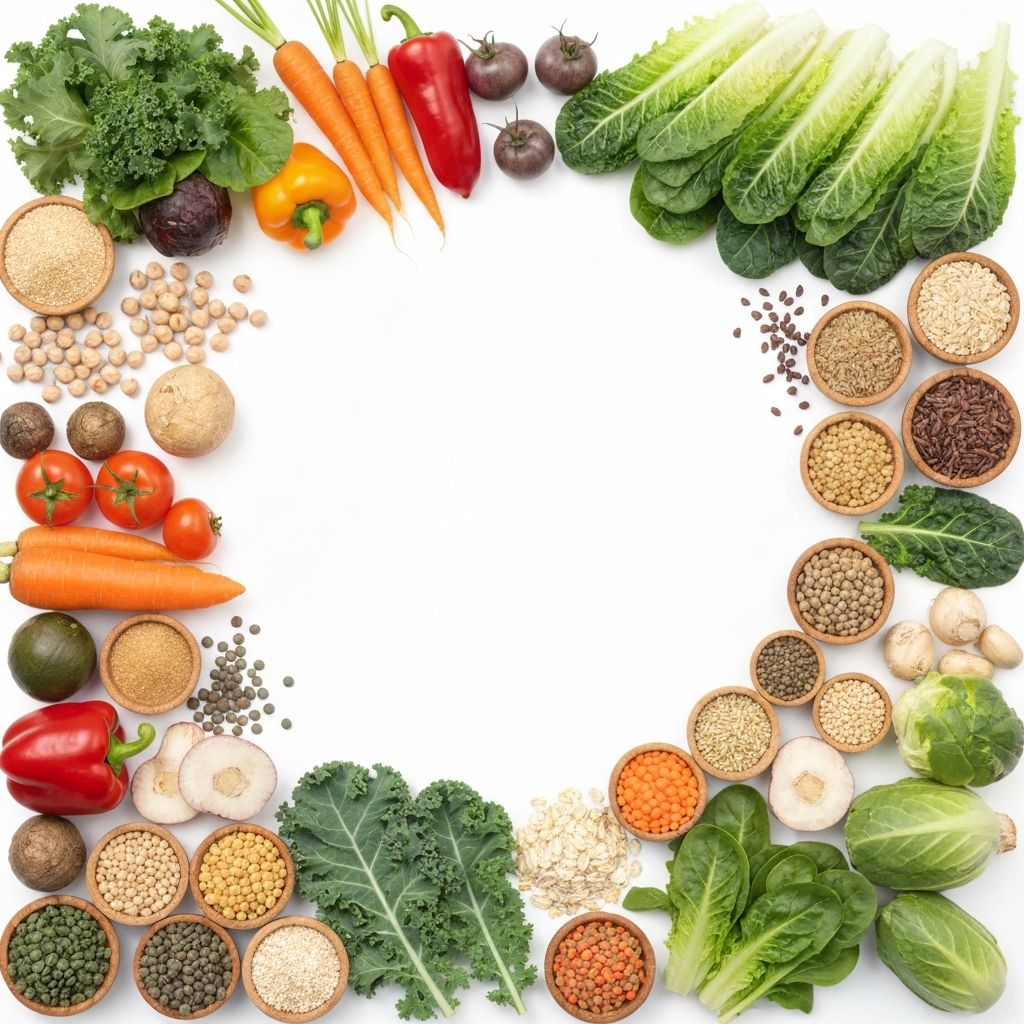
Plant-based nutrition encompasses a wide variety of ingredients that provide essential nutrients, vitamins, minerals, and phytochemicals. Understanding these components helps contextualize their role in human nutrition.
Vegetables such as spinach, kale, broccoli, and other cruciferous varieties contain various compounds including vitamins A, C, K, and minerals like iron and calcium. Research explores how these nutrients function in the body.
Berries, citrus fruits, and other plant foods are sources of antioxidants, fiber, and various phytonutrients. Scientific studies examine the properties of these compounds and their potential roles in human health.
These food categories provide protein, healthy fats, fiber, and micronutrients. Nutritional research continues to investigate how different fatty acid profiles and protein sources may influence various health markers.
This content serves educational purposes to explain nutritional concepts. It does not provide dietary recommendations for individuals.
Chronic stress can impact numerous physiological systems. Various techniques such as meditation, breathing exercises, and time management have been studied for their effects on stress markers.
Adequate water intake supports cellular function, temperature regulation, and nutrient transport. Research examines optimal hydration levels for different activities and environments.
Social relationships and community engagement have been linked in research to various health outcomes. The mechanisms underlying these connections continue to be explored.
Exposure to natural environments, sunlight, and fresh air are areas of ongoing research in relation to mood, vitamin D synthesis, and circadian rhythm regulation.

Throughout history, different cultures have developed unique approaches to nutrition and wellness based on locally available ingredients and traditional knowledge systems.
The Mediterranean diet, traditional Asian dietary practices, and other cultural eating patterns have been subjects of extensive nutritional research. These patterns often emphasize whole foods, plants, and minimal processing.
Various cultures have long histories of using herbs and spices not only for flavor but also for their perceived properties. Modern research investigates the active compounds in these traditional ingredients.
Historical perspectives provide context for understanding how nutritional knowledge has evolved. This information is educational and does not endorse specific cultural practices over others.
No single food or ingredient can dramatically transform health. Nutrition science emphasizes overall dietary patterns and lifestyle factors rather than isolated components.
The term natural does not automatically indicate safety or efficacy. Many natural substances can have strong effects and potential interactions with other substances.
Whole foods provide complex matrices of nutrients that work synergistically. Research suggests that nutrients from whole food sources may be more bioavailable than isolated supplements.
Individual responses to dietary changes vary based on genetics, lifestyle, environment, and numerous other factors. What works for one person may not work identically for another.
Sustainable health changes typically occur gradually through consistent habits over time. Scientific evidence does not support the concept of rapid transformations through simple interventions.
Unless medically indicated, extreme dietary restrictions are generally not supported by nutritional research. Balance and variety are key principles in nutrition science.

Contemporary nutritional science employs various research methodologies to understand how diet influences health outcomes. These include observational studies, randomized controlled trials, and mechanistic research.
Large-scale population studies help identify associations between dietary patterns and health outcomes. These studies provide valuable data while recognizing that correlation does not imply causation.
Research investigates how various plant compounds, such as polyphenols, carotenoids, and flavonoids, interact with cellular processes. The complexity of these interactions remains an active area of study.
Emerging research explores how individual factors like genetics, microbiome composition, and metabolism may influence nutritional needs and responses to different foods.
Scientific understanding continues to evolve. This content presents current knowledge for educational purposes, recognizing that research is ongoing.
This website provides educational information only. All content is intended to explain concepts in nutrition and lifestyle science for informational purposes. Nothing on this site constitutes medical advice, diagnosis, or treatment recommendations for any individual.
Individual Variation: People respond differently to dietary and lifestyle changes based on genetics, health status, environment, and numerous other factors. Information presented here describes general principles and research findings, not guaranteed outcomes.
No Professional Relationship: Reading this content does not create any professional relationship. This site does not provide personalized consultations, treatment plans, or individual recommendations.
Consult Qualified Professionals: Before making significant changes to diet, exercise, or lifestyle, individuals should consult with qualified healthcare providers who can assess personal circumstances and provide appropriate guidance.
Research Limitations: Scientific understanding of nutrition is continuously evolving. Current knowledge has limitations, and future research may modify or expand upon existing findings.
No Commercial Services: This website does not sell products, services, or treatment programs. We do not promise, guarantee, or claim specific health outcomes from any information presented.
This website serves as an educational resource providing information about nutritional science, natural ingredients, and lifestyle factors. It aims to help readers understand general concepts rather than provide individual advice.
The information presented describes general principles from nutritional research. Individual circumstances vary widely, and personal responses to dietary or lifestyle changes differ based on many factors.
No. This site provides educational content only and does not offer medical advice, diagnosis, treatment, or personalized recommendations. Always consult qualified healthcare professionals for individual guidance.
This content is intended to support general understanding of nutritional concepts. Personal health decisions should be made in consultation with qualified healthcare providers who understand your individual circumstances.
Safety depends on individual circumstances, health status, and potential interactions with other factors. What is generally safe for one person may not be appropriate for another. Professional consultation is recommended.
No. This is an educational website only. We do not sell products, supplements, treatment programs, or services of any kind.

For those interested in exploring nutritional science and wellness topics more deeply, numerous academic and educational resources are available.
PubMed, Google Scholar, and similar databases provide access to peer-reviewed research in nutrition, physiology, and related fields. These platforms allow readers to explore original research studies.
Many universities and research institutions publish educational materials on nutrition science and health. These resources often explain complex concepts in accessible language.
Organizations dedicated to nutrition science and public health provide evidence-based information and educational resources for general audiences.
Critical evaluation of sources is important when researching health topics. Look for evidence-based information from qualified sources rather than promotional content.
Continue exploring educational content about natural nutrition and lifestyle science. Our resources provide context and understanding of these complex topics.
Note: This form is used only for informational newsletter purposes. We do not sell directly. All content remains educational and does not constitute personal advice or commercial offerings.
 Nutriwell